Sahara Solar Could Match Africa’s Annual Electricity Use, but Grid Capacity Sets the Limit
- Atharva Gosavi
- 754 reads
A hypothetical 1-terawatt Sahara solar network could generate 1,800 TWh a year. Storage, transmission and local demand would shape how much reaches consumers.
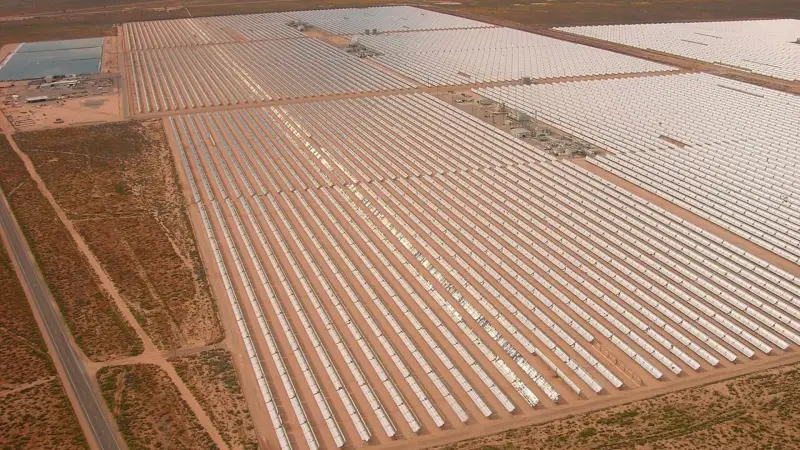
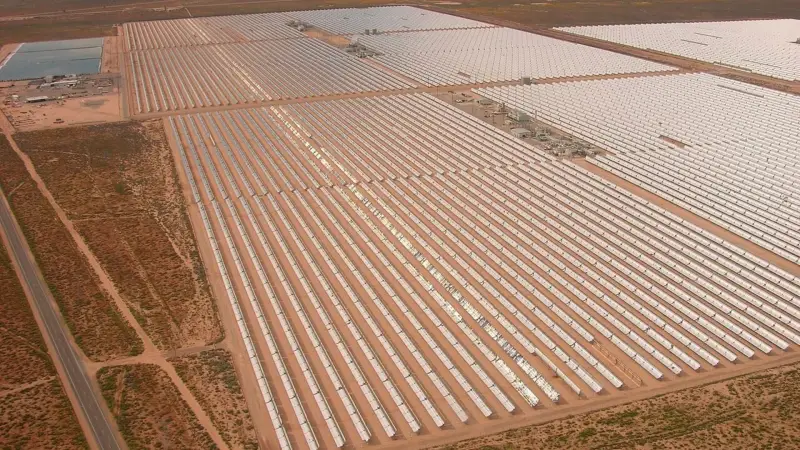
A 1-terawatt solar network in the Sahara could produce about 1,800 terawatt-hours of electricity each year—more than Africa’s roughly 1,000 TWh of use in 2025. That comparison shows the desert’s generation potential, but annual totals don’t tell us whether power is available where and when people need it. The engineering challenge is building a system that can move and store enough electricity to make the output useful across regions and through the evening.
What the annual generation figure means
The estimate assumes that each kilowatt of installed panels generates 1,800 kilowatt-hours annually. Applied to 1 terawatt of capacity, that yields about 1,800 TWh before losses from transmission and storage. Against the European Union’s approximately 2,774 TWh of electricity use in 2025, that output would amount to around two-thirds of annual demand on paper.
Land requirements are also substantial, though smaller than the Sahara’s vast area might suggest. Applying the median land-use density reported in a US study of utility-scale solar, the panels and the spacing between rows would occupy roughly 4,400 square miles. That estimate describes the area occupied by the solar farms; the actual footprint would vary with terrain and layout. Projects would also need sites with practical access to roads and power connections.
These figures describe a hypothetical buildout, not a forecast of what developers will construct. They help establish the scale of the resource, while leaving open how much capacity could be connected, financed and operated. The distinction matters: installed panels can generate a large annual quantity of electricity without delivering that quantity at the times of peak demand.
Transmission and storage shape the supply
Solar farms produce power during daylight, often with output strongest around midday. Demand can continue into the evening, when lights, appliances and air conditioning remain in use. Batteries could shift some daytime generation into hours after sunset, but the annual output estimate does not specify storage capacity or account for the energy lost in charging and discharging.
Cloudier periods or other stretches of lower solar production would create a longer supply challenge. Grids serving those hours would need electricity from other sources or from regions with surplus generation. In practice, planners would have to match solar output, storage and other supply against demand profiles rather than rely on a single yearly total.
Moving power over long distances would require substantial new infrastructure. Lines would connect inland farms to coastal transmission hubs, while additional connections across the Mediterranean and upgrades to receiving grids would carry the power onward. High-voltage direct current can limit losses over long routes and is already used in undersea cables elsewhere.
Existing links between Morocco and Spain, which cross beneath the Strait of Gibraltar, show that electricity trade between Africa and Europe is possible. They are a starting point for understanding cross-border connections, not a model for the scale a 1-terawatt buildout would require. Expanding trade would depend on adding transmission capacity and coordinating the networks that generate, move and receive the electricity.
Operating desert solar at scale
Morocco’s 580-megawatt Noor Ouarzazate complex provides a built example of desert solar infrastructure. A much larger network would multiply the demands of maintaining equipment across remote sites. Dust can accumulate on panels and reduce the light reaching their surfaces; cleaning may require water, which would itself need to be available where and when maintenance crews need it.
Distance adds another practical constraint. Roads and power lines are needed to build and service farms and to transmit their output. Connecting remote generation to existing grids can shape which locations are viable, alongside the available land and solar resource. The cost and financing of both the farms and their transmission links would influence how quickly capacity could grow.
Large installations may also have effects beyond the grid. Climate simulations suggest that solar development at a very large scale could change how much sunlight the ground reflects and affect cloud cover and solar output, including in regions far from the Sahara. Those findings concern the development scale modeled in the simulations; they do not establish the effects of a particular project.
Local demand comes first in the system design
Decisions about where the electricity goes would be central to any export plan. Countries hosting generation would need to weigh exports against domestic demand, particularly where reliable electricity remains unavailable to many people. That choice affects transmission planning and the amount of power that can be committed to buyers elsewhere.
A workable path would likely develop through projects that connect generation to nearby demand, followed by regional grid expansion and cross-border links where the economics support them. Each stage would reveal how well the solar resource, storage, transmission and operating conditions fit together. The Sahara’s annual generation potential is large enough to matter at continental scale; the delivered supply will depend on the infrastructure built to carry it beyond daylight hours.