DNA CODEC Keeps Hidden Data Readable Through 10 Rounds of Human Cell Growth
- Kaushal Kishore
- 721 reads
A DNA encoding method preserved 272 characters in human kidney cells through 10 rounds of growth, while mixing genuine data with decoys.
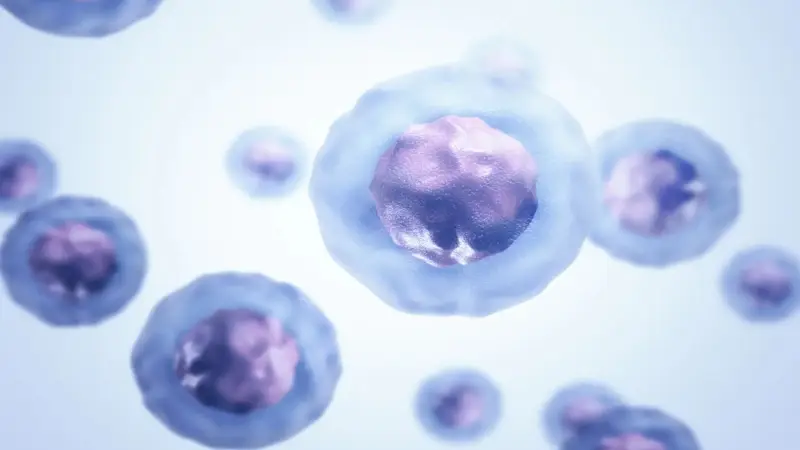
DNA CODEC combines data encoding with decoy sequences to make information in human cells harder to identify, while keeping it readable after the cells divide. In a test at The University of Texas at Dallas, researchers recovered 272 characters encoded in human kidney cells after approximately one month and 10 rounds of growth. That result suggests genetic information can carry an embedded record through cell proliferation, though it doesn’t establish how much data the method can store in practical use.
The research team—Taek Kang, Zikun Zhou, Shayan Mohammed, Yiorgos Makris and Leonidas Bleris—developed DNA CODEC, short for Compressed Obfuscated DNA Encoding in Cells. DNA can store data at high density, but storing it inside living human cells raises distinct questions: the information must remain intact as cells copy their genomes, and a method is needed to control who can identify and read it.
Encoding data alongside decoys
DNA CODEC uses a combination of 10-ary Huffman coding and degenerate nucleotides. The researchers designed the encoding to compress information while allowing it to be recovered despite imprecision from biological processes or the technologies used to read the DNA. The approach also distributes genuine and false information across multiple engineered cell lines.
Using CRISPR-mediated targeted integration, the team placed the encoded sequences at specific locations in the human genome. The digital data was first translated into DNA, then inserted into cells. Other cells carried false information that looked similar to the genuine encoded material but did not contain the actual data.
The cell populations were combined. A DNA sequence read from an individual sample therefore wouldn’t, by itself, reveal which cells carried the genuine information. To retrieve the data, a reader would need to distinguish the genuine sequences from the decoys and then decode the selected sequences. The method’s obscuring effect depends on that separation and decoding process; the study describes a way to hide information among false data, rather than a general guarantee against every way of analyzing the cells.
Testing whether cell division erases the record
Cell division presents a specific challenge for this kind of storage. Each new cell copies its genetic material, and biological copying can introduce variation. The researchers needed to check whether that process would leave the encoded sequence readable over repeated rounds of growth.
They encoded 272 characters from the lyrics of The Beatles’ “Let It Be” and inserted the data into human kidney cells. The cells grew for approximately one month, passing through 10 cycles. During that period, the team used DNA sequencing to check whether the information could still be accessed.
The researchers recovered the encoded information at every assessed point. This shows that, under the conditions of the experiment, the data remained readable across the measured rounds of cell proliferation. It also indicates that the combination of the coding scheme and the sequence placement tolerated the changes encountered during this cell-culture test. The result is a demonstration of persistence over 10 cycles, not a measurement of how long an archive would last under other storage or growth conditions.
Potential use and open questions
One possible use is keeping identification and engineering records with a cell line. Such records are often maintained outside the cells themselves; encoding some of that information in the genome could keep it associated with the material as the cells multiply. That could be useful for tracking a line’s source or genetic engineering history, although the experiment doesn’t establish a routine workflow for doing so.
Several practical questions remain unanswered. The study does not specify how much data this method could store in practice, how it would be developed into a storage product, or what criteria would govern its use. Longer-term performance also needs assessment. The 272-character demonstration establishes that a small message stayed recoverable through the tested growth period; it doesn’t show the limits of storage capacity or persistence over longer spans.
Corresponding author Leonidas Bleris, professor of bioengineering and the Texas Instruments Bioengineering Chair in the Erik Jonsson School of Engineering and Computer Science, described the cells as a “storage medium that is alive.” He said the team’s anticipated next step is to make the archive editable, so a portion could be corrected or replaced without rewriting all of it. That would address a different requirement from simple persistence: changing stored content while preserving the rest of the record.
The findings were published in Nature Communications. The immediate engineering question is whether the encoding and decoy strategy can scale beyond a short text while remaining reliably readable over longer periods of cell growth.