Abrams Vehicle Program Adds $4 Million for Small-Drone Countermeasures
- Kaushal Kishore
- 632 reads
A proposed $4 million addition would fund small-drone countermeasure development for Abrams vehicles, while a separate $5 million supports graphene antenna research.
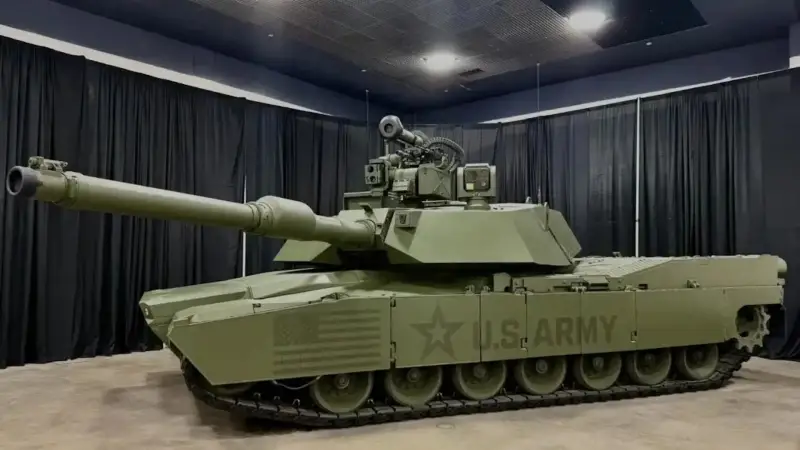
The clearest engineering signal in a proposed $9 million increase for Abrams vehicle development is a $4 million line for integrating countermeasures against small unmanned aircraft. The funding description identifies a development goal, but leaves the hardware, vehicle version, test plan and installation schedule open. For engineers tracking the program, those unanswered integration questions matter as much as the proposed amount.
The figures appear in a fiscal year 2027 explanatory statement for research, development, testing and evaluation. Under Combat Vehicle Improvement Programs, the committee recommends $501.364 million, compared with an estimated budget of $492.364 million. The two additions listed are $4 million for “Abrams counter small UAS integration” and $5 million for graphene antenna technology for vehicles. The document places both under the same program heading, but does not describe them as connected projects.
The countermeasure scope is not yet specified
“Integration” is the key word in the Abrams line. It indicates work to add a small-aircraft countermeasure capability to the vehicle, but it doesn’t say what that capability will consist of. The statement names no sensors, effectors, software, suppliers or specific Abrams configuration. It also gives no performance targets or test conditions.
That leaves the central design problem unresolved in the available information: how the vehicle will detect and respond to a nearby small aircraft. The statement does not say whether the planned system will use radar, electronic methods, physical interception, or a combination. Nor does it explain how any new equipment would connect with existing vehicle systems. Those choices affect equipment placement, power and data interfaces, crew interaction, and how the system fits alongside other vehicle functions. The document supplies no specifications that would settle those questions.
Small aircraft can observe vehicles and, in some cases, carry out attacks. That range of possible uses helps explain why countermeasure development can involve several linked tasks: detecting an aircraft, deciding whether it presents a threat, and taking a response. But the proposed funding description does not identify which tasks are in scope or how success would be measured. It would be premature to infer a particular sensor or countermeasure from the funding line alone.
The statement also does not identify a test sequence or say when a capability might reach vehicles. Development, testing and integration are all covered by the wider research and development budget category, but the line does not allocate its $4 million among those activities. It gives no basis for estimating how many vehicles could be involved or when any change could be fielded. Those details would need to emerge through later program decisions and technical work.
Graphene antennas are a separate line item
The other proposed addition is $5 million for graphene antenna technology for vehicles. No specific vehicle is named, and the statement does not tie this work to Abrams or to the small-aircraft countermeasure effort. Their placement under the same Combat Vehicle Improvement Programs heading is not evidence that the antenna project will serve the countermeasure system.
The available description is too brief to establish the antenna’s intended frequency range, construction, performance goals or intended application. It also does not say whether the work concerns material research, antenna design, vehicle integration or testing. Without those details, the practical significance remains a development question rather than a confirmed equipment change. The two projects should be read as separate proposed uses of additional program funding.
What the proposed totals establish
The committee’s recommendation would put the program total at $501.364 million, $9 million above the $492.364 million estimate. The two listed additions account for that difference: $4 million for Abrams small-aircraft countermeasure integration and $5 million for vehicle graphene antenna development.
These figures describe a recommendation, not a completed funding decision. They also do not establish that development has been commissioned or that Abrams vehicles already carry new countermeasures. The most concrete takeaway is narrower: the proposed program recognizes small-aircraft countermeasure integration as a funded development objective, while leaving the technical approach and schedule unspecified. The next useful information will be the system requirements, selected vehicle configuration and test plan—details needed to judge what the proposed integration can deliver.
The explanatory statement is available through the fiscal year 2027 Defense Appropriations explanatory statement. It provides the funding recommendation and program labels, but no further engineering specification for either project.