Raspberry Pi Engineers and Makers Build a Ouija Board, a Cyber-Pet and Cyberdecks
- Michael Jones
- 971 reads
Raspberry Pi staff and makers are building a Pi-driven ouija board, a Wi-Fi-eating cyber-pet, cyberdecks, and a festive crochet LED project.

The people who design and document Raspberry Pi hardware don't stop working on it when they leave the office. A recent round of conversations with the company's engineers turned up a common thread: ordinary people who enjoy making things, and who keep finding new reasons to pick up a board after hours. The projects below show how far that habit reaches.
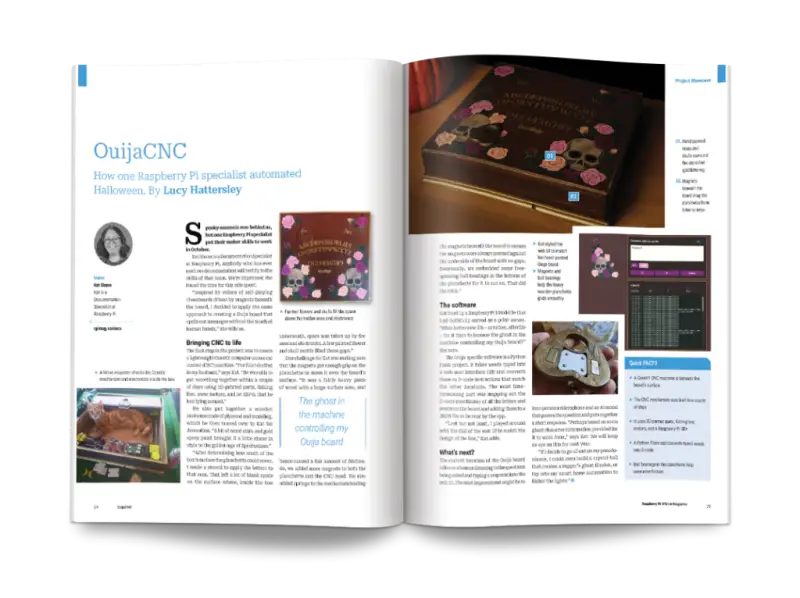
A ouija board with a Pi at the controls
Kat Shann, documentation specialist at Raspberry Pi, has built a Raspberry Pi-controlled ouija board. It's a playful project, but it's also a useful reminder that the Pi's strength is physical interaction. A build like this typically needs a way to move a pointer or indicate letters, a way to read input, and some logic to decide what happens next. A small single-board computer handles all three without much fuss, which is why it shows up so often in one-off art and prop builds.
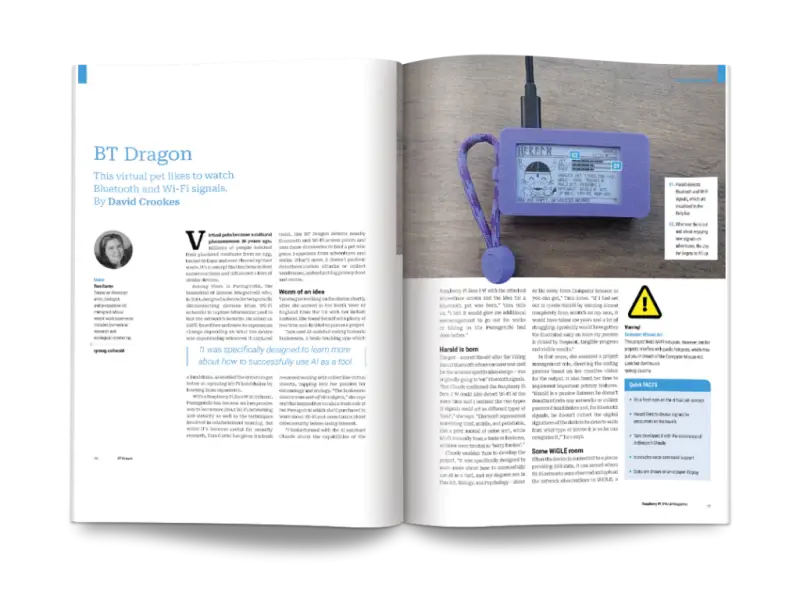
A cyber-pet that eats your wireless signals
Tara Carter takes her cue from the cyber-pet craze of the 1990s, when handheld toys asked their owners for attention and food. Her version is a pet dragon built on a Raspberry Pi Zero 2 W, and its diet is Wi-Fi and Bluetooth signals. The Zero 2 W is a good fit for a project like this. It's small enough to sit inside a figure, and its onboard wireless gives the build a natural way to sense its surroundings. Here's the thing: the joke works because the hardware is doing something real with radio, not just displaying a sprite on a screen.
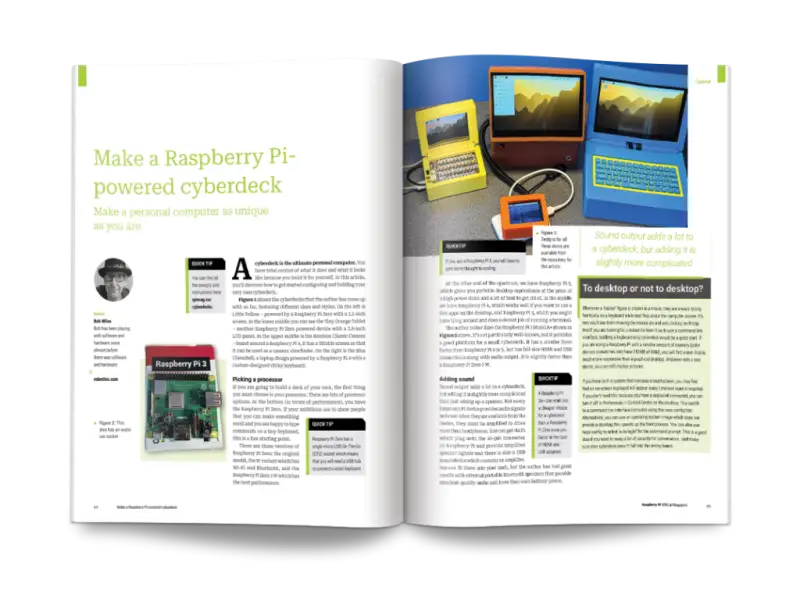
Cyberdecks, and the habit of building another
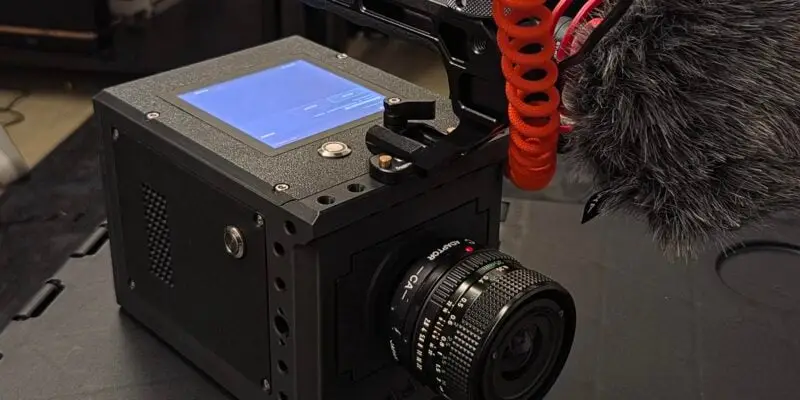
Cyberdecks are portable, keyboard-and-screen machines with a deliberately retro-futurist look, and they've become a popular Raspberry Pi build. The team set out to make one, and then found the process was repeatable enough that making a second, and then more, was the natural next step. That's a useful lesson for anyone prototyping. Once a build sequence is documented and reliable, the second unit takes a fraction of the effort, and small changes in enclosure, cooling or keyboard layout become easy experiments.
Crochet, RGB LEDs and MicroPython for the season
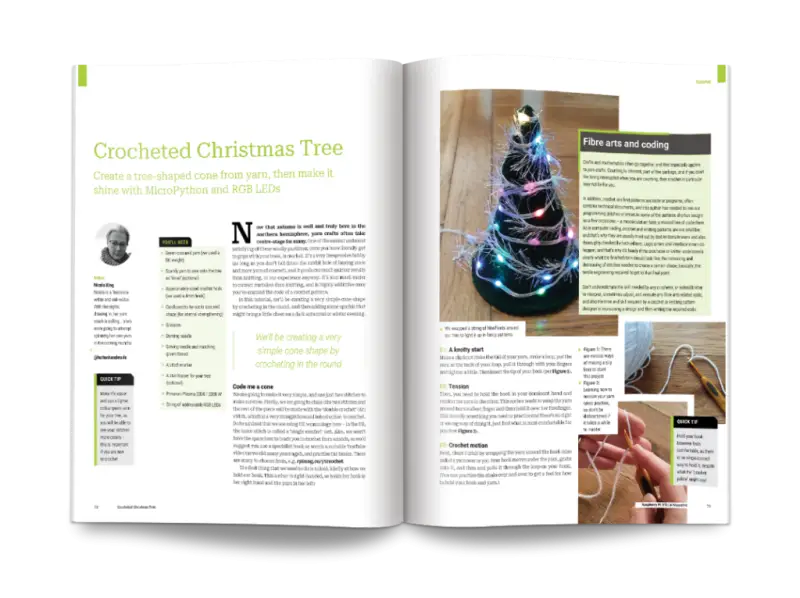
For the festive season, one project pairs crochet with a string of RGB LEDs and MicroPython. Textile work and electronics sit together more comfortably than many people expect. Addressable RGB LEDs of the kind usually found on these strings are typically driven from a single data line, so the code can stay simple while the lighting patterns get more interesting. Soft fabric also hides the wiring well, which matters when a project has to survive being hugged, moved and packed away each year.

A gift list for the bench
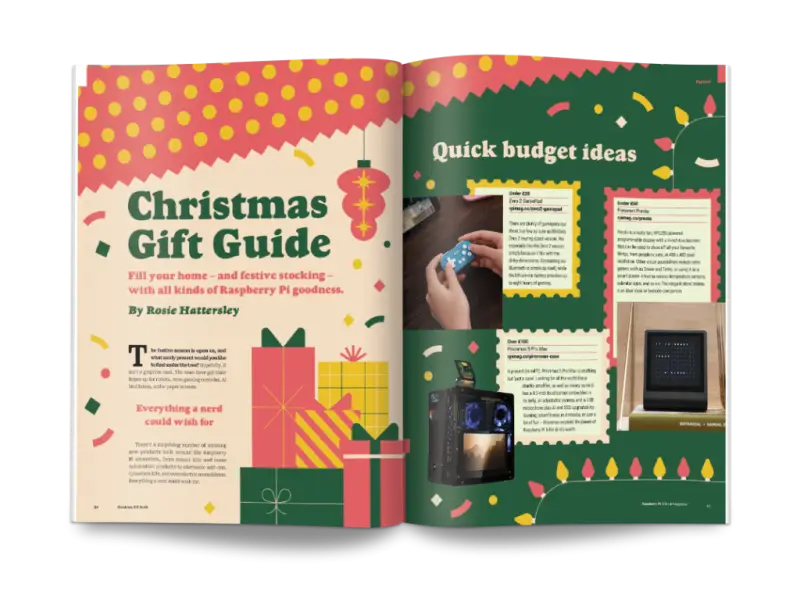
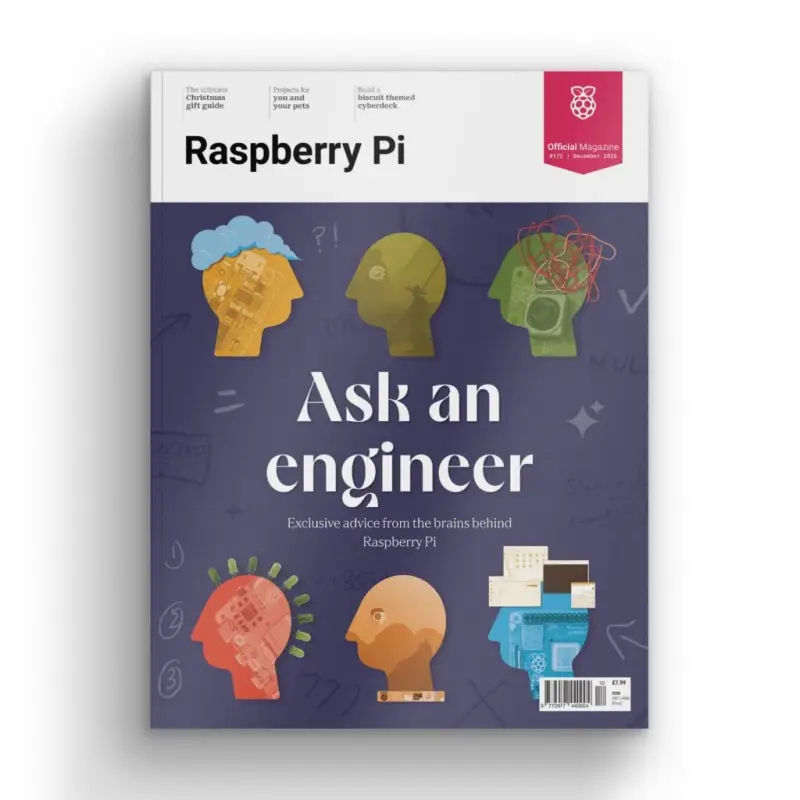
The issue also includes a festive gift guide aimed at makers. It asks readers to circle the tools and parts they can't live without, then leave the page where someone might spot it. It's a light-hearted touch, but it reflects a real pattern in hobby electronics: the wish list usually comes down to a handful of dependable tools, a good soldering setup and a board or two that never seems to be in stock when you need it.
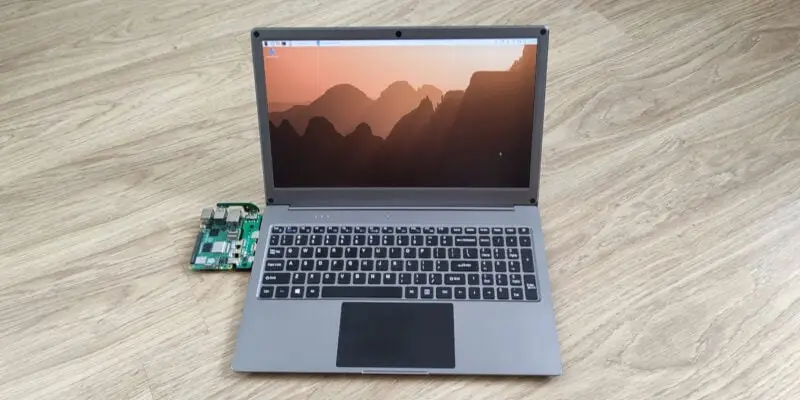
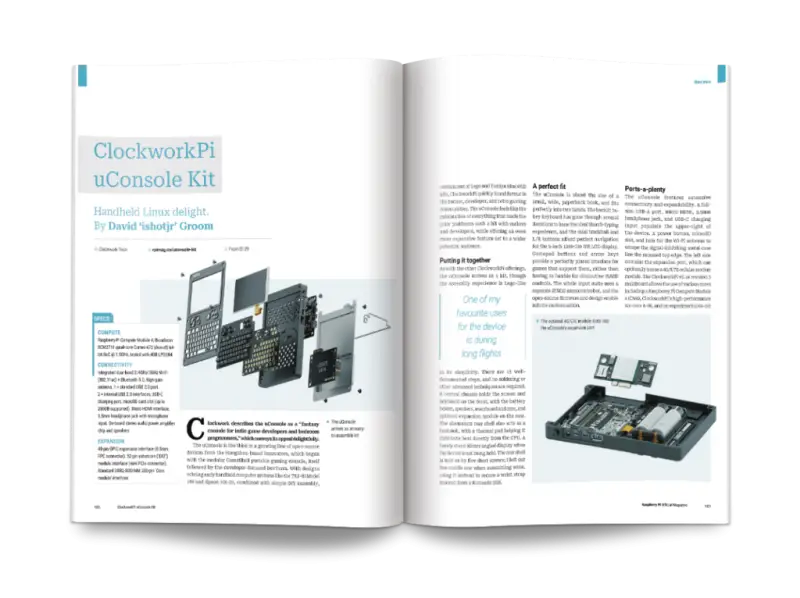
The uConsole as a portable Linux machine
The uConsole is a portable, all-in-one Linux computer based on the Raspberry Pi Compute Module 4. It runs the full Raspberry Pi OS, which matters if you already know the ecosystem and don't want to relearn a new environment. Its stated features include long battery life, an all-metal body, and the option to add 4G connectivity. For engineers who want a field-ready machine for remote logging, SSH work or offline development, those features address the gaps that a bare board in a case tends to leave open. Anyone considering one should check the battery, connectivity and enclosure details against the manufacturer's current documentation before committing to a build around it.
What this tells you about the ecosystem
Read together, these projects show the same pattern. The Pi is a general-purpose tool that gets used for art, games, wearables and portable computing as easily as it gets used for industrial prototypes. The engineers who design it are building things for themselves, too. My read is that the most useful takeaway isn't any single project. It's the way a documented, repeatable process turns one-off experiments into a family of devices. If you're thinking about a build of your own this season, start with one unit, write down every step, and see how quickly the second one comes together.