PRIMA Far-Infrared Telescope to Study Dusty Regions of the Universe
- Prabhat Ranjan Mishra
- 585 reads
BAE Systems will supply PRIMA’s Evolve+ spacecraft bus and support observatory integration, testing and mission operations for a planned 2033 launch.
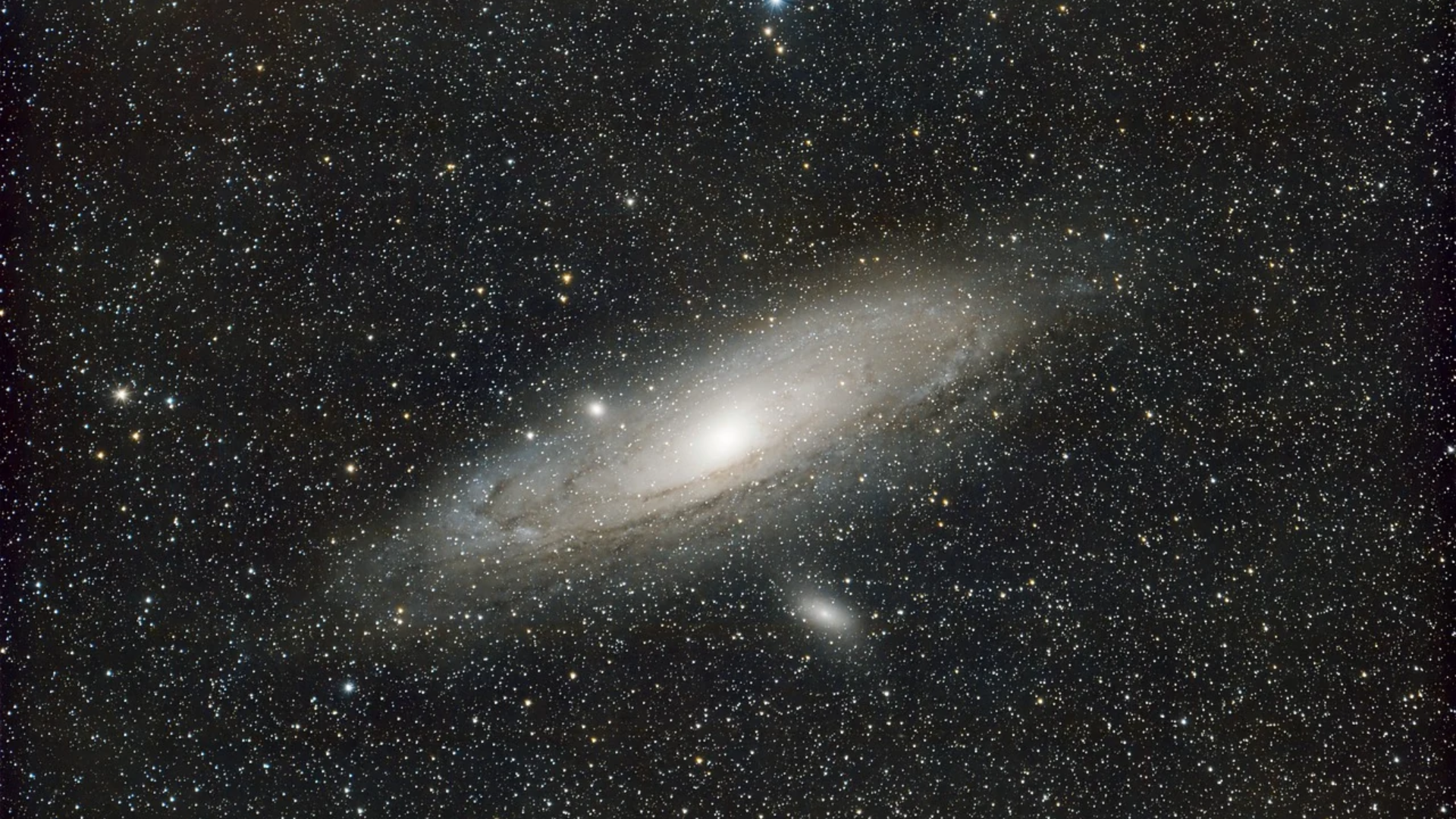
PRIMA is designed to observe a part of the universe that visible-light telescopes struggle to see: regions veiled by dense clouds of dust and gas. Its 1.8-meter telescope will collect far-infrared light, giving scientists a way to study how stars, planets and galaxies form and change within those obscured environments.
BAE Systems has been selected to provide the mission’s Evolve+ spacecraft bus and take on several tasks that connect the observatory’s hardware to its operation in space. The company will help lead assembly, integration and testing, and serve as the operations and ground lead for NASA’s Jet Propulsion Laboratory, which manages the mission.
A far-infrared view through cosmic dust
Dust clouds absorb or scatter much of the visible light coming from the astronomical processes inside them. Far-infrared measurements can reveal heat emitted by the dust and objects embedded in it, allowing researchers to investigate activity that may be difficult to observe at shorter wavelengths. PRIMA’s science case centers on using that capability to examine the development of stars, planetary systems and galaxies, as well as the history of water in the universe.
The telescope is intended to fill an observational gap between the James Webb Space Telescope and ground-based radio observatories. Those instruments work across different parts of the electromagnetic spectrum and use different observing methods; PRIMA would add far-infrared coverage to the mix. The value of that coverage will depend on how its measurements complement observations from other facilities, including Webb, which BAE Systems also supports.
Bonnie Patterson, BAE Systems’ vice president and general manager of civil space, described the mission as a continuation of the company’s work with JPL. She said PRIMA is intended to help NASA investigate the universe’s history and complement observations from other astrophysics missions.
The spacecraft bus and integration work
The Evolve+ bus will provide the spacecraft platform and support the systems needed for the observatory to function in space. The telescope and its scientific instruments need a spacecraft that can support their operation throughout the mission; the bus is the part of the architecture that carries those supporting functions alongside the payload.
BAE Systems’ role also extends into observatory assembly, integration and testing. Those activities bring the spacecraft and scientific hardware together and check their combined performance before launch. At this stage, the work described for the company covers both the physical integration of the observatory and ground and operations support for JPL. The details of individual bus specifications, instrument interfaces and test conditions have not been provided.
That combination of platform supply and integration responsibility puts the company close to the boundary between the telescope’s science payload and the spacecraft systems that support it. For a space observatory, testing the assembled system matters because performance depends on components working together under mission conditions, not only on each part meeting its own requirements.
Development schedule and science goals
PRIMA is in Phase B development and is targeted for launch in 2033, with a planned five-year mission. The project is expected to move toward full implementation after a NASA confirmation review. That schedule leaves further development and review ahead; the stated launch target and mission duration are plans rather than a report of completed flight hardware or observations.
The scientific questions reach beyond the appearance of individual objects. By observing processes hidden within dusty environments, researchers could trace how material gathers and changes as stars and planets develop, and how galaxies evolve over time. Far-infrared observations offer a means to study those processes; the mission’s eventual contribution will depend on the sensitivity and coverage of its instruments and how scientists combine its data with observations from other telescopes.
PRIMA’s practical engineering challenge is to turn that observing capability into an integrated, operational observatory. The Evolve+ bus, instrument integration, ground support and mission operations all have to work together for the telescope to deliver useful data. With development continuing through Phase B and a 2033 launch target, the next milestones will show how the mission’s design and hardware mature toward that five-year observing plan.