NeodraDynamics’ 4-Meter Neo1 Combines Hydraulic Strength With a Wheeled Industrial Plan
- Omar Kardoudi
- 368 reads
Neo1 is a 1.2-ton humanoid with 500-kg two-arm payload capacity, but its industrial deployment plan centers on a wheeled base.
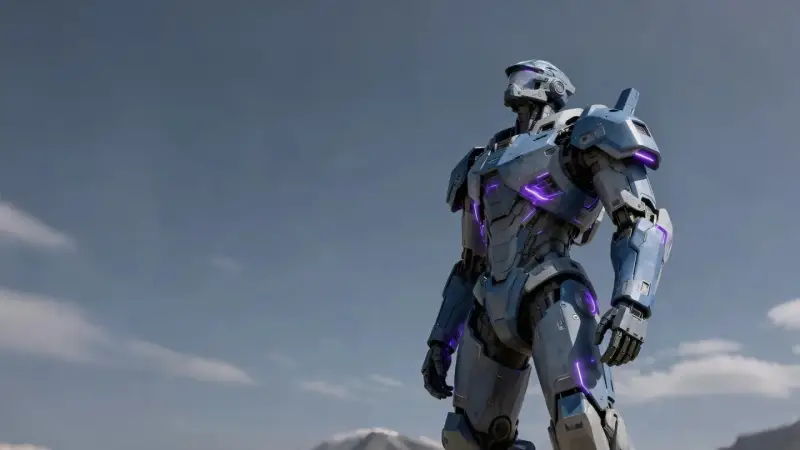
Neo1’s striking feature isn’t its 4-meter height; it’s the gap between the humanoid shown on stage and the machine NeodraDynamics expects to put to work. The Beijing company has presented a 1.2-metric-ton robot with hydraulic strength and 41 controllable joints, while describing a practical industrial version built around a wheeled base.

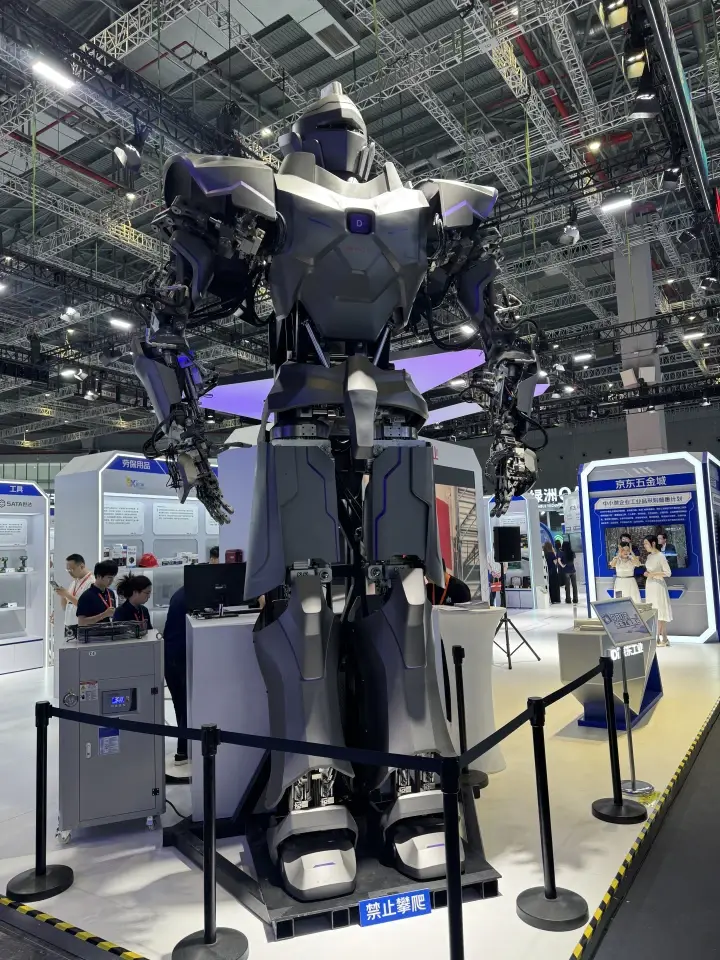
NeodraDynamics showed Neo1 at the World Robot Conference in Beijing, then presented it with JD Industrial at the China International Industry Fair in Shanghai, held October 12 to 16. The company is targeting work such as heavy assembly, mining, rescue and nuclear maintenance—jobs where people can face hazardous conditions or demanding loads.

Hydraulic joints provide the force
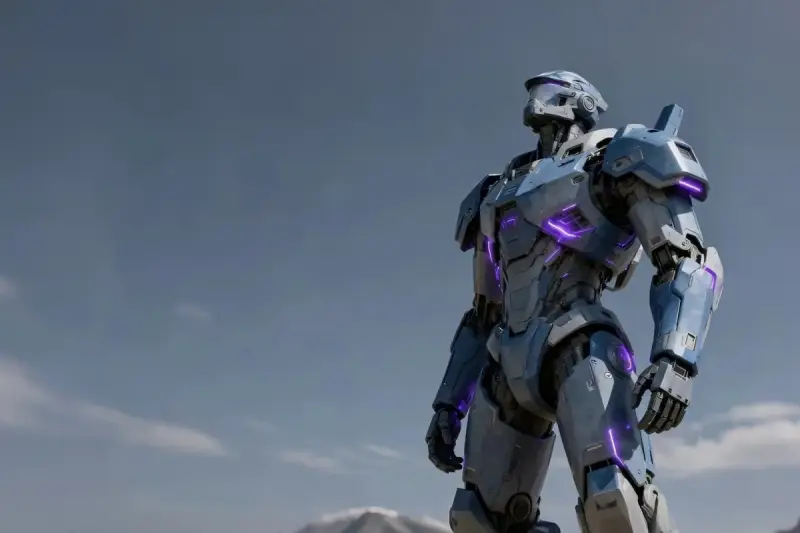
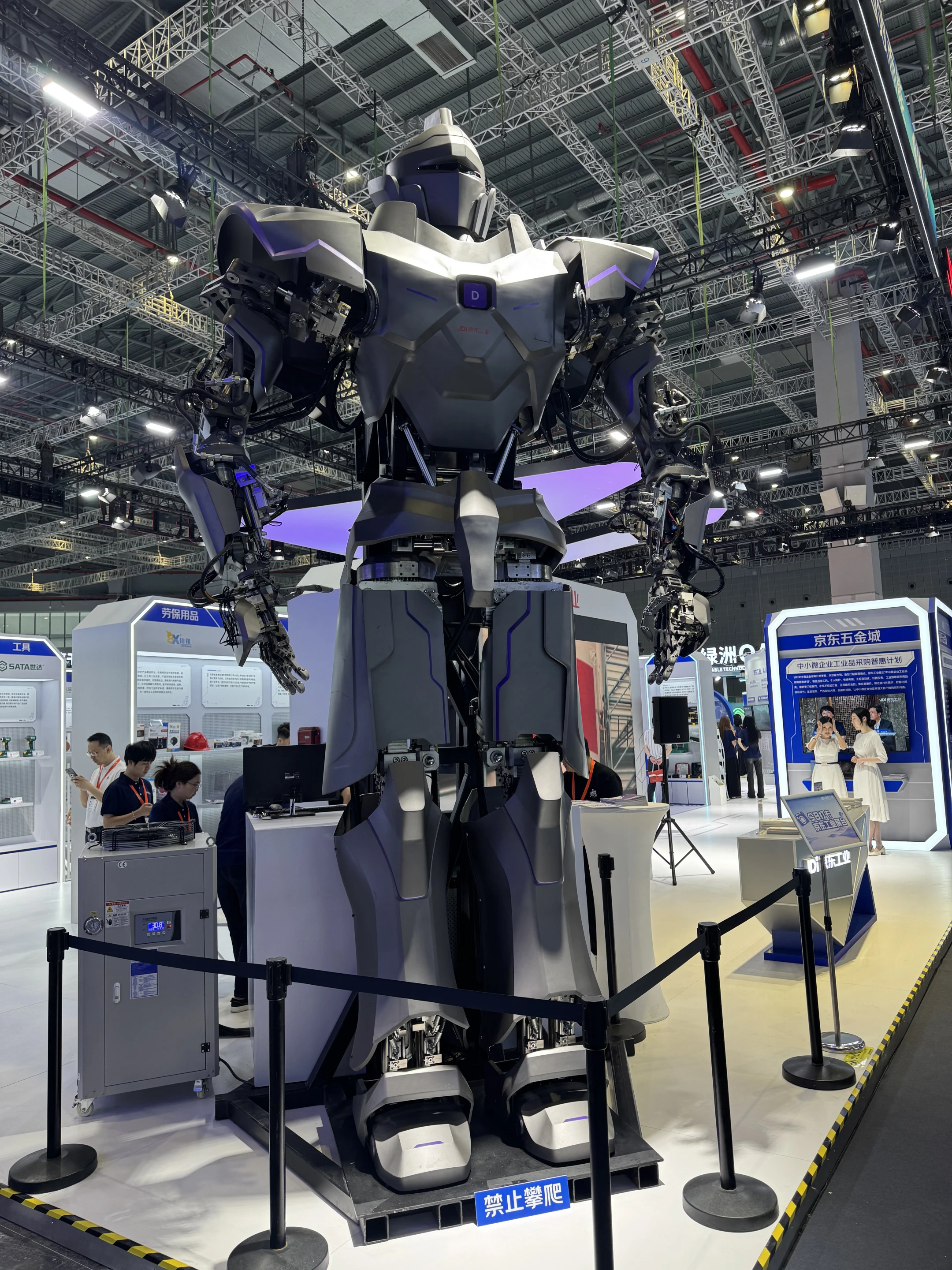
Neo1 stands about 13 ft (4 m) tall and weighs 1.2 metric tons (2,646 lb). Its 41 joints give it separately controlled movements, including the bending and rotation needed to position its arms and hands. Hydraulic actuators drive 39 of those joints; electric motors rotate the forearms.

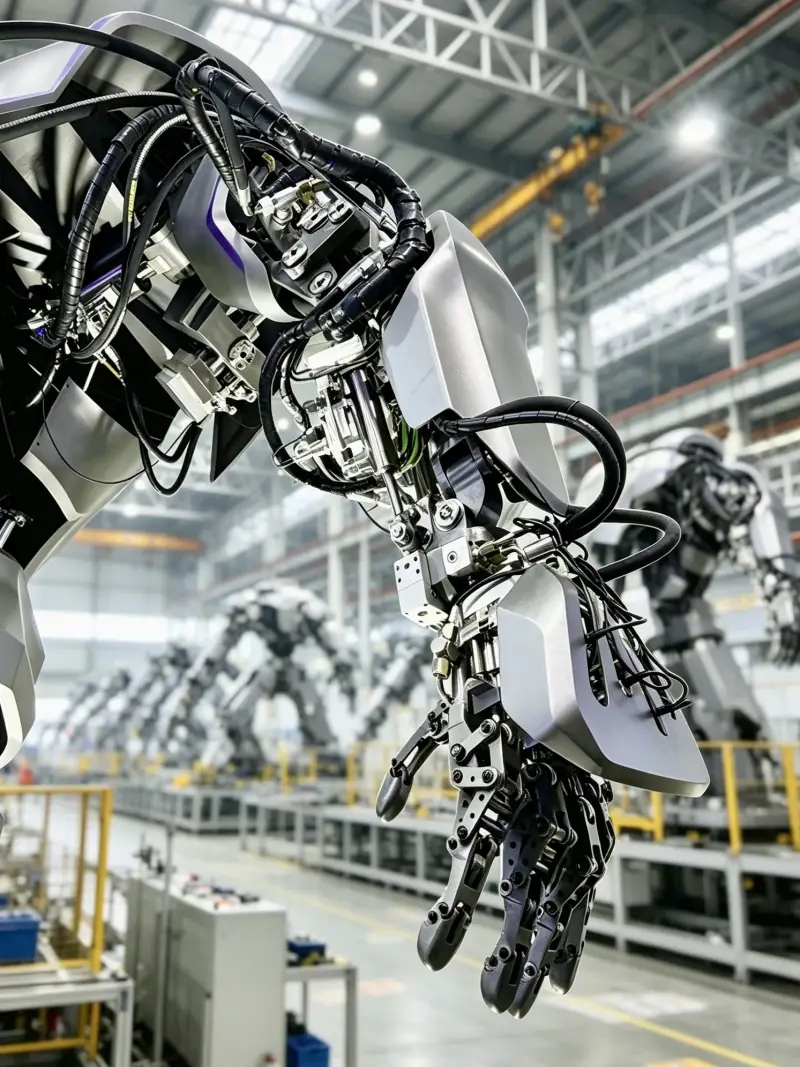
Each hydraulic actuator weighs about 1 kg (2.2 lb), according to NeodraDynamics, and produces what the company calls “ton-level” continuous thrust. That describes the force from an individual actuator, not the lifting capacity of an arm. The stated payload for both arms working together is 500 kg (1,102 lb).

The arrangement puts compact hydraulic actuators at the joints, where pressurized oil moves a piston to generate force. Hydraulics are familiar from heavy equipment such as excavators, but fitting them into a humanoid brings a different mechanical challenge: the actuators have to provide substantial force while supporting many controlled movements across a large structure. Neo1’s electric forearm rotation adds a second drive type to the system.
The company’s choice sits alongside a move toward electric actuation in other humanoids. Boston Dynamics retired its hydraulic Atlas in 2024. In an interview with IEEE Spectrum, then-CEO Robert Playter said the newer electric Atlas was stronger than a person, including an elite athlete, in most joints. Neo1’s hybrid configuration is therefore one approach to high-force robotic movement, rather than proof that hydraulics are the only way to achieve it.
A demonstration system with work still ahead
Neo1 has not yet worked at an industrial site. NeodraDynamics’ Cui Dalong said the current machine is controlled remotely by a computer running a set program, while a cable supplies its power. The company plans to add a battery when the robot moves, and says autonomous operation depends on training an AI system.

Walking is also unfinished. Dalong said legged movement isn’t a priority for industrial applications, and the company’s plan is to mount Neo1’s heavy-duty arms on a wheeled base. That choice shifts the engineering focus from a fully mobile humanoid to a platform that can carry large arms through work areas. It also makes the base and the way it positions the arms central to whether the stated payload can be useful in day-to-day operations.
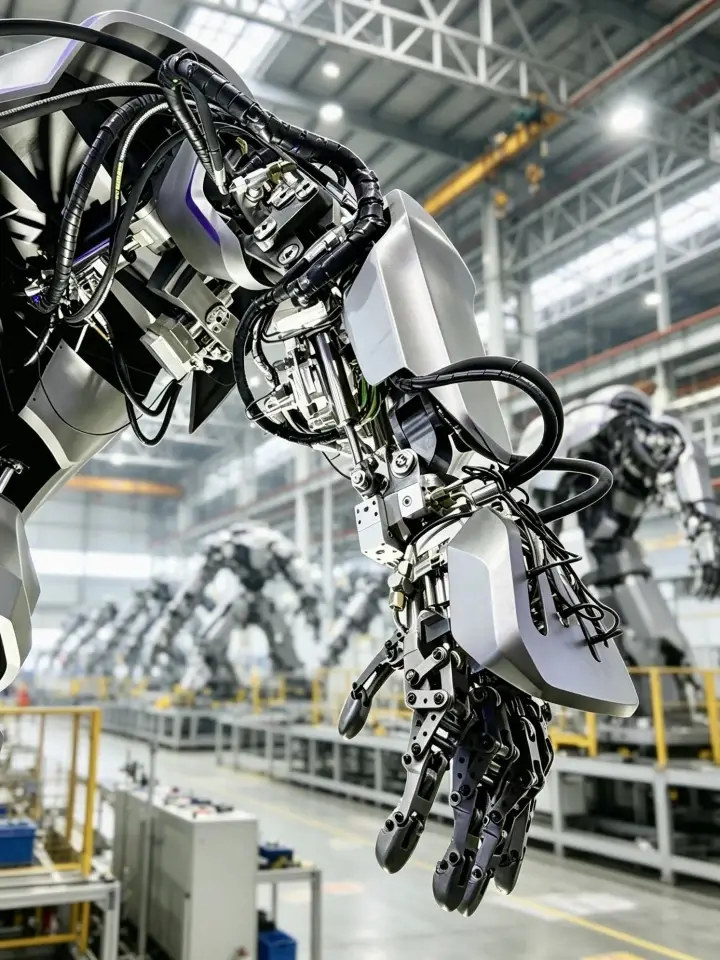
NeodraDynamics has identified ports as a possible application, including lifting heavy loads and opening container doors. It is also looking at offshore oil and gas facilities, nuclear refueling and power grid tower construction. These are prospective uses; the company has not reported a completed deployment or operating results from those environments.
Scale and deployment are separate questions
China has also produced other large, rideable machines. Unitree Robotics founder Wang Xingxing climbed into the GD01 on May 12. Unitree describes that 2.98-m (9.8-ft) machine as a mass-produced rideable mech. It weighs about 500 kg (1,102 lb), has a stated starting price of US$650,000, and can stand on two legs or lower itself onto four for a more stable stance on uneven ground.
Those specifications make the GD01 a useful point of comparison for scale, but Neo1 has a different stated payload and industrial purpose. Its size and actuator force are only part of the case for adoption. The current need for a power cable, remote control and unfinished walking system shows how much integration remains between a demonstration machine and a working industrial platform.
Neo1’s next meaningful test will be whether its arms can perform useful tasks from the wheeled configuration the company has in mind. Until the robot is powered untethered, trained for autonomous work and tested on site, its figures describe a promising machine design rather than proven industrial performance.


