Portable Wi-Fi Terminals Speed Up Communications During Field Relocations
- Ameya Paleja
- 882 reads
A field exercise showed portable wireless terminals connecting a relocated unit to its command center before cable based communications were ready.
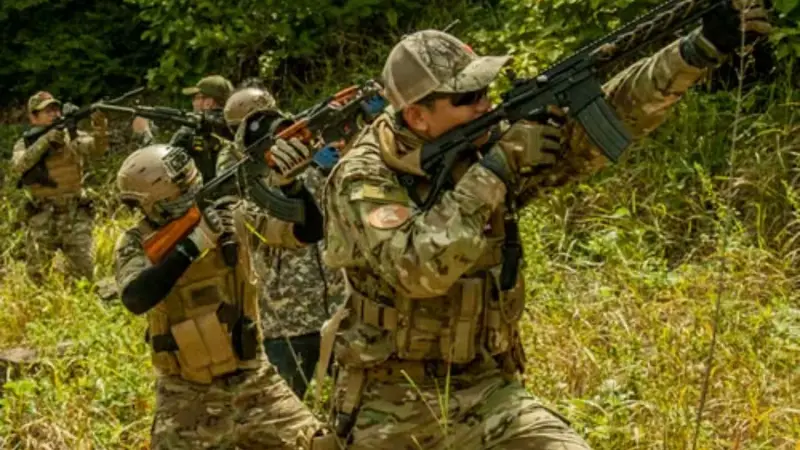
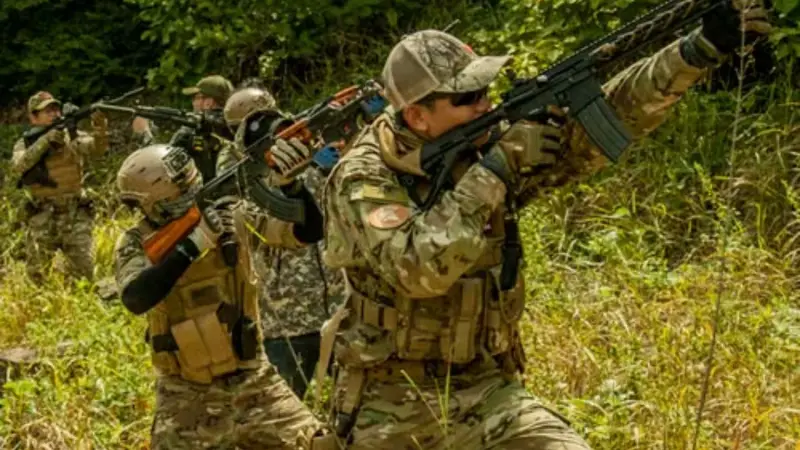
Portable wireless terminals could shorten the communications gap that opens when field teams move. In a recent training exercise in China, a unit relocated after live fire training and established contact with its command center through a portable Wi-Fi terminal. By the time a conventional cable setup would have been ready, the team had already completed further simulated activity and received another relocation order.
The result points to a practical advantage: a communications network that can move with its users may keep information flowing while fixed links are being packed up and rebuilt. The terminals were developed by the Information Support Force of the People’s Liberation Army and were tested in exercises as an option for connecting units in forward positions with command terminals.
Reducing the delay during a move
Conventional field communications can depend on laying cables and setting up supporting infrastructure at each new location. When a unit shifts position, communications staff may need to recover that equipment and install it again. The work takes time and people, and the link may be unavailable while the changeover is underway.
Radio links are quicker to establish, but the exercise focused on the need to pass digital information between field teams and command centers. That information can include observations from a team in the field, updates to a shared operational picture, and instructions based on changing conditions. Faster transmission may help teams coordinate their next actions sooner, though the exercise account does not provide measured connection speeds or a comparison of data capacity.
A portable wireless terminal changes the setup task: instead of first laying a cable route, a team can use the mobile network to establish contact. That can matter when positions change repeatedly, because the communications system is not tied as directly to infrastructure at the previous site. It also means the value of the terminal depends on the network being available and usable where the team needs it.
The exercise offers a specific example of that sequence. A communications support team accompanied an air force firepower unit as it moved after live fire activity. The unit established contact with its command center and continued with simulated strikes before being directed to move again. The account does not report how long either setup took, so the comparison is qualitative: the wireless link was ready while the conventional setup was still in progress.
Why use several network nodes?
The terminals can be deployed as a cluster rather than as a single connection point. A lone node can become a weak link if it fails or cannot reach a particular part of the operating area. Multiple nodes can provide alternate paths and help fill gaps in coverage, according to the exercise description.
That arrangement was tested in terrain described as difficult to navigate and in areas with high electromagnetic interference. A reconnaissance team used the network to relay the location of a firepower unit to dispersed units and coordinate activity through a shared operational picture. The account does not give the number of terminals, their spacing, the network topology, or the interference levels, so it does not establish how the cluster would perform under other field conditions.
For engineers assessing this approach, the cluster concept shifts attention from the range of one terminal to the behavior of the network as a whole. Coverage depends on where nodes are placed and whether a usable path remains between users and command terminals. Redundancy may help when one link is obstructed or disrupted, but the available details do not quantify that resilience or describe how the network chooses alternate paths.
Wireless links bring their own constraints
Mobility removes some of the effort associated with cable deployment, but wireless transmission brings a different set of requirements. Radio signals can be intercepted, so the network needs encryption and other safeguards. The exercise account identifies those protections as future requirements but does not specify a protocol, encryption method, frequency band, range, data rate, or power demand.
Those missing details matter when judging how the terminals could fit into a wider communications system. A field team would need links that work across its operating area, while network planners would need to account for interference, coverage gaps, and protection of transmitted information. Without published specifications or test conditions, the exercise demonstrates a deployment concept rather than a quantified performance envelope.
The terminals are intended to complement conventional communications, with the choice depending on the mission. That mixed approach leaves teams with a wireless option when rapid relocation is the priority while retaining cable based links where the task calls for them. The useful measure to watch in further demonstrations will be how reliably a cluster can maintain digital contact as teams move through changing terrain and radio conditions.